
Ultimate Jordan Shoes for Basketball Performance on the Court
Jordan Brand occupies a distinctive position between heritage and cutting-edge engineering when it comes to on-court performance sneakers. The company built its reputation on Michael Jordan’s six championship runs, and in 2026 it still manages to supply NBA pros while catering to millions of casual ballers who demand genuine basketball performance. But here’s the issue: with over 40 mainline shoes and dozens of spinoffs, determining which Jordans actually hold up on the court takes careful study. Not every Jordan is engineered for basketball anymore — retro models from the ’80s and ’90s are missing current tech, while newer performance lines offer advanced shock absorption and lockdown that compete with anything on the market. This review examines the best Jordan sneakers for court play in 2026, evaluating each across cushioning, court grip, support, weight, and court feel.
What Makes a Top-Tier Basketball Sneaker in 2026
Contemporary basketball involves multi-directional movement — burst sprints, defensive slides, sudden stops, leaping — demanding cushioning that manages shock without compromising responsiveness. Grip is possibly the most critical factor, because a sneaker that slides on dusty courts is genuinely hazardous, raising likelihood of ankle sprains and knee injuries. Structural support covers external structures like outriggers and heel cups plus the sneaker’s power to secure your foot during aggressive cuts. Shoe weight has become crucial as the game speeds up, with elite guards preferring shoes under 14 ounces while big men allow up to 16 for more ankle support. Ventilation combats overheating that reduces traction and wearability during long games. The best sneaker blends all five qualities without heavily undermining any single one.
Air Jordan 38: The Elite Court Weapon
As the apex of Jordan Brand’s on-court technology, the Air Jordan 38 merges Formula 23 foam with a heel-to-toe Zoom Air Strobel for an incredibly view full jordan 1 shoes catalog responsive underfoot experience. At 13.8 ounces in a men’s size 10, it blends featherweight agility with cushioning that guards your joints during high-impact games. The woven Jacquard upper strengthened with Flywire cables holds the foot down during side-to-side motion while staying airy for extended games. Grip is excellent — the herringbone outsole bites both pristine and dirty courts with confidence, and the rubber compound lasts a whole amateur season of 3-4 games each week. The midfoot shank delivers midfoot stiffness during crossover dribbles and defensive slides. At $200 retail price, it competes with the LeBron 22 and provides what many reviewers label the best Jordan playing experience since the Jordan 28.
Jordan Tatum 3: Best Budget Basketball Sneaker
At $130, Jayson Tatum’s third signature shoe has risen to the widely accepted greatest-value basketball sneaker of 2026, providing top-tier performance. The React foam midsole with front-foot Zoom Air provides sustained cushioning while producing bounce for dynamic initial bursts and rim finishes. At 12.9 ounces, it’s one of the lightest court shoes on the market, perfectly fitted for guards and wings focused on agility. The engineered mesh upper adapts to the foot after short break-in, and the internal heel structure holds the ankle without limiting range of motion. Grip uses widely spaced herringbone grooves that channel dust away, preserving traction on dirty courts. Numerous NBA athletes beyond Tatum have been spotted wearing it in games — the ultimate endorsement of performance quality.
Air Jordan 37: The Versatile Performer
The AJ37 may be officially previous-generation, but it continues to be widely for sale at sale costs and still competes with current models. The Lenoweave upper is at the same time lightweight, ventilated, and structured — a material innovation impacting Jordan’s whole court shoe range. Stacked dual Zoom Air in forefoot and heel offers ground feel impressively close to natural while providing significant cushioning. At 14.1 ounces, it’s slightly more substantial than the Tatum 3 but compensates with improved ankle support from its higher collar and Flywire cables, making it strong for power forwards and big men. The outsole traction is among the most aggressive in the range, with pronounced channels that catch even during aggressive direction changes. Originally $185, it now sells for $120–$140 — perhaps the greatest performance-per-dollar in Jordan’s lineup.
Jordan Luka 3: Engineered for Savvy Ball Handlers
The Luka 3, built for Luka Dončić’s craft-based playing style, caters to hoopers who depend on footwork and balance over raw athleticism. The complete Zoom Strobel sits immediately below the foot, creating a low-profile ride that boosts stability during step-back jumpers and Euro-steps. The wide foundation and prominent lateral outrigger deliver stability among the most impressive in Jordan’s lineup, which makes it suited for heavier players or those with ankle instability. Grip uses a rotational pattern facilitating pivot moves and spins core to Dončić’s game, however performance drops a bit on very dusty courts. At $140 with extended sizing up to 18, it’s attainable to bigger athletes who have difficulty getting court shoes in their size. If you emphasize technique over raw speed, the Luka 3 thrives at what it was engineered to do.
| Model | Price | Weight (Size 10) | Cushioning | Best Position | Rating |
|---|---|---|---|---|---|
| Air Jordan 38 | $200 | 13.8 oz | Formula 23 + Zoom Air | Every position | 9.5/10 |
| Jordan Tatum 3 | $130 | 12.9 oz | React + Zoom Air | Backcourt and wings | 9.0/10 |
| Air Jordan 37 | $120–$140 | 14.1 oz | Dual Zoom Air | Universal | 8.5/10 |
| Jordan Luka 3 | $140 | 14.3 oz | Zoom Strobel | Guards / Playmakers | 8.5/10 |
Retro Jordans on the Court: What Actually Performs
Playing basketball in retros is enticing, but performance limitations make most retro releases subpar options for competitive hooping in 2026. Retro models use ’80s and ’90s technology — traditional Nike Air that offers minimal cushioning but doesn’t have the spring and rebound of contemporary Zoom Air and React foam. The Air Jordan 11 Retro is the one notable exception a lot of hoopers continue to regard as viable on court, because of its carbon fiber plate and full-length Air unit, although even it falls short of 2026 performance shoes. Grip on retros uses legacy rubber formulas that wear faster and provide less bite, notably on unswept pickup courts. Heritage materials — heavy leather, thick padded collars — add significant weight, averaging 16-18 ounces against 13-14 for 2026 performers. Findings in the British Journal of Sports Medicine has demonstrated that external ankle bracing from high-tops is not as helpful than natural ankle stability. Keep your retros for lifestyle wear and pick up purpose-built performance models for the court.
Finding the Perfect Jordan for Your Playing Style
To find the ideal shoe, you require an realistic evaluation of your game, court position, and where you play. Guards focused on pace should seek out lightweight shoes with responsive forefoot units — the Tatum 3 dominates here at under 13 ounces with Zoom Air forefoot cushioning. Wings and all-around forwards want balanced impact protection for attacking the rim and catch-and-shoot — the AJ38 and AJ37 fill this role brilliantly. Centers should explore the Luka 3, which delivers outstanding lateral support during post battles without sacrificing impact protection. Gym ballers can opt for tackier rubber compounds for indoor court traction, while outdoor hoopers need harder, more resilient rubber. Your injury background should influence your choice — ankle problems favor wide-base shoes, knee issues demand maximum cushioning. Test shoes in person when possible, testing basketball movements like slides and jump stops to evaluate on-court capability.
Maintaining Your Performance Jordans
Basketball hooping shoes endure heavy use, and appropriate care extends performance life by months. Clean the outsole after every single playing session with a hard-bristled brush and warm water to clean out traction grooves — filled grooves are the main reason basketball shoes lose traction. Give shoes to air dry fully between uses, which takes 12-24 hours, because lingering moisture degrades midsole foam and breeds odor-causing bacteria. Alternate between at least two pairs if you hoop more than twice weekly, as this gives midsole foam entirely bounce back between sessions. Change performance Jordans after about 75-100 hours of court time — midsole cushioning breaks down without visible signs long before traction display visible wear. Store at normal temperature away from heaters that speed up midsole deterioration. These routines aren’t just about extending life — they’re about injury prevention, because worn-out foam contributes to stress fractures, plantar fasciitis, and rolled ankles.
For the comprehensive Jordan basketball collection, visit the Jordan Brand basketball collection on Nike.com.
BİZ KİMİZ?
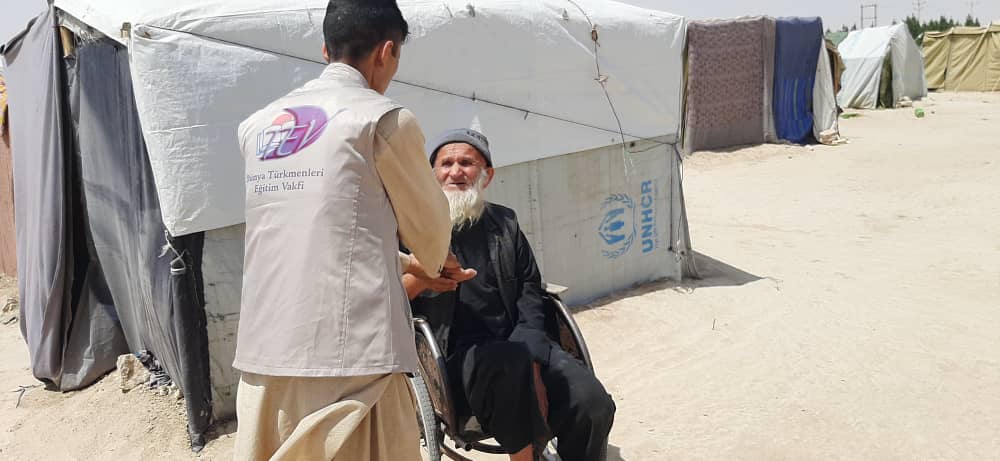
DTEV, yurt içinde öğrenim görmekte olan ve yurt dışından (Türk Dünyası) yüksek öğrenimlerini görmek için gelen Türkmen öğrencilerin eğitimlerine destek vererek milletini, bayrağını, tarihini seven, bütün insanlara hizmet gayesiyle eğitime gönül vermiş kişilerce 16.12.1997 tarihinde İstanbul’da kuruldu.
İLETİŞİM BİLGİLERİMİZ
- Yakuplu Mahallesi Hürriyet Bulvarı No: 191 Kat: 4 Daire: 4 Beylikdüzü / İstanbul
- +90 212 511 22 63
- bilgi@dtev.org
GALERİ
-

- Galeri
-
- Galeri
-

- Galeri
-

- Galeri
-

- Galeri
-

- Galeri
-

- Galeri
-

- Galeri
-

- Galeri
-

- Galeri
-

- Galeri
- DÜNYA TÜRKMENLERİ EĞİTİM VAKFI
- Telif Hakkı © 2022 Tüm hakları saklıdır
Bir cevap yazın